
How to Build a Successful Website for an SME or Non-Profit in 2026?
"Launching or redesigning a website for a small business or community organization raises immediate questions: how can you present your mission clearly, reassure prospects or members, and avoid recurring software subscription traps?"
A successful SME or non-profit website rests on three pillars: a message understood in 5 seconds, sub-second mobile page loads, and 100% source code ownership without recurring software lock-ins.
1. Distinct digital requirements for SMEs and community organizations
Unlike major corporations with dedicated IT divisions, small businesses and non-profits operate with sensible budgets and limited administrative time.
A small enterprise requires a platform that generates genuine customer inquiries and demonstrates reliability across its local or regional territory.
A non-profit organization primarily seeks to keep supporters informed, announce upcoming initiatives, gather memberships, and streamline volunteer duties without recurring administrative overhead.
2. Technical comparison of web development approaches
Evaluation of web development options for SMEs and Non-Profits
| Technical model | Initial investment | Recurring software fees | Code ownership | Mobile speed |
|---|---|---|---|---|
| Hosted SaaS builders (Wix, specialized platforms) | Low (€0 to €500) | €360 to €1,200 / year | None (renting platform) | Average to slow |
| Standard CMS (WordPress + generic theme) | Medium (€1,500 to €3,500) | €300 to €800 / year (plugins & fixes) | Partial (plugin dependency) | Variable Core Web Vitals |
| DevSupAi custom engineering | Transparent from €950 | €39 to €49 / year (at-cost hosting) | 100% owned (source code provided) | Flawless (100/100 Lighthouse) |
3. Field observations: The non-profit case study
This real-world example demonstrates that an effective digital solution should never complicate volunteer workflows, but eliminate repetitive manual tasks.
Investing in bespoke code ensures you only pay for features you actually use, without paying perpetual rents for bloated software packages.
4. 4 steps to protect your project investment
- •Draft clear project requirements :Identify key features upfront (contact inquiries, event calendar, photo gallery, online registrations).
- •Demand full source code ownership :Ensure your quote explicitly grants full intellectual property rights, code files, and direct domain ownership.
- •Insist on mobile responsiveness :Over 65% of visits occur on smartphones: pages must load under one second on standard 4G connections.
- •Reject 48-month leasing commitments :Avoid agency financing contracts with compulsory monthly retainers that end up costing 3 to 4 times the actual build value.
Frequently Asked Questions
Recommended Resources & Related Packages
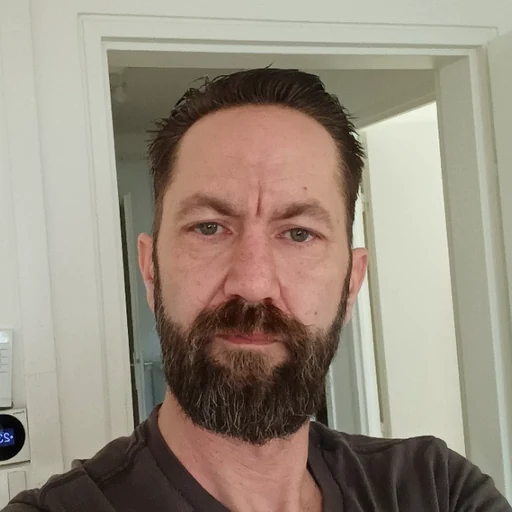
Alexandre Pabst
Independent web designer and developer, founder of DevSupAi in Saint-Mihiel (Meuse, France). Custom showcase websites, e-commerce stores, and tailored web applications.
Have a project in mind?
Get a free technical feasibility study and a personalized quote within 24 hours.